Best Motorcycle Friendly Places to Live & Work as a Digital Nomad

No stays listed here yet
Try one of these instead
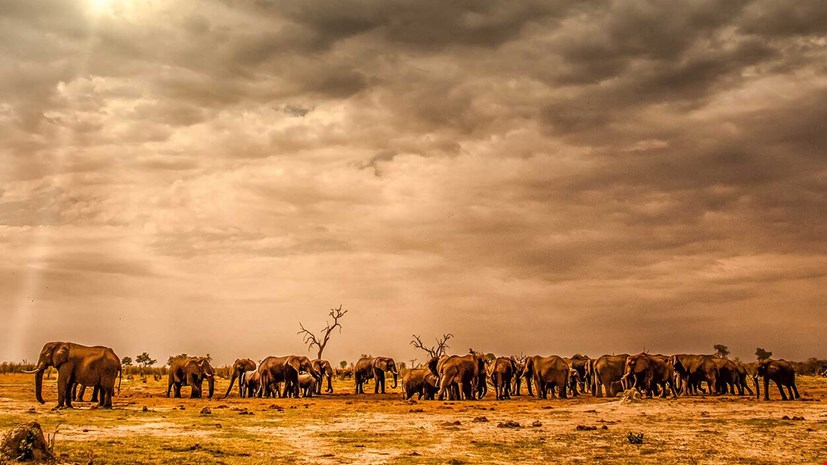
Southeast Botswana
Southeast Botswana is an intriguing destination for digital nomads, offering a unique blend of natural beauty, rich cultural heritage, and a growing community of remote workers. Internet quality in this region is generally reliable, particularly in urban centers like Gaborone and Francistown. Many cafes and co-working spaces provide high-speed Wi-Fi, with average speeds around 20 to 30 Mbps. While rural areas may experience slower connections, the increasing availability of mobile data services ensures that digital nomads can stay connected while exploring the scenic landscapes. The historical significance of Southeast Botswana is notable, with a rich tapestry of indigenous cultures and colonial history. The area is home to several historical sites, including the Kgosi Sechele Museum in Molepolole, which showcases the heritage of the Bakwena people. Additionally, the nearby Tsodilo Hills, a UNESCO World Heritage site, features ancient rock paintings that provide insight into the lives of early inhabitants. For outdoor adventure, Southeast Botswana offers a plethora of activities. The region boasts stunning natural landscapes, including the Kalahari Desert and various national parks. Activities such as hiking in the Tswapong Hills, birdwatching in the Okavango Delta, and exploring the lush wetlands of the Makgadikgadi Pan attract nature enthusiasts and adventure seekers alike. Wildlife safaris provide opportunities to see elephants, lions, and other iconic African animals in their natural habitats. The business community in Southeast Botswana is gradually expanding, with co-working spaces emerging in cities like Gaborone. These spaces foster collaboration among entrepreneurs and freelancers while providing essential networking opportunities. In summary, Southeast Botswana combines reliable internet access, rich historical experiences, abundant outdoor activities, and a growing business community, making it an ideal destination for digital nomads seeking both professional growth and cultural immersion.
Learn More.jpg?height=465)
Central Greece
Central Greece is an increasingly appealing destination for digital nomads, offering a unique blend of historical richness, outdoor adventure, and a growing business community. While internet connectivity can be variable, many urban areas provide decent speeds, with major providers like Cosmote and Vodafone offering mobile and fixed broadband services. In urban centers, users can expect average download speeds around 44.6 Mbps, although rural areas may experience slower connections. The expansion of fiber optic networks is underway, aiming to improve access and reliability. Historically, Central Greece is a treasure trove of ancient sites and cultural heritage. The region is home to iconic landmarks such as Delphi, once considered the center of the world in ancient Greek mythology, and the stunning monasteries of Meteora, which are perched atop towering rock formations. These sites not only offer a glimpse into Greece’s storied past but also serve as breathtaking backdrops for exploration during breaks from work. For outdoor enthusiasts, Central Greece presents a plethora of activities. The Pindus mountain range offers excellent hiking opportunities, while the crystal-clear waters of the Aegean Sea are perfect for swimming and sailing. Adventure seekers can explore numerous trails and nature reserves, making it easy to enjoy the stunning landscapes that define this region. The business community in Central Greece is gradually evolving, with a rise in coworking spaces and entrepreneurial initiatives aimed at supporting remote workers. Cities like Larissa and Volos are becoming hubs for startups and innovation, providing networking opportunities for digital nomads seeking collaboration. In summary, Central Greece combines reliable internet access, rich historical experiences, abundant outdoor activities, and a supportive business environment—making it an ideal location for digital nomads looking to balance work and adventure in a culturally vibrant setting.
Learn More
Burgas Bay
The city of Burgas is the administrative center of the largest tourist region in Bulgaria as it is located on the Southern Black Sea coast. Burgas is one of the fastest developing cities in Bulgaria. Its geostrategic location makes it one of the country’s most important economic centers, as well as a developing tourist destination. The city is a natural commercial and transport hub – an important gate to the continent. Burgas International Airport handles more than 2.8 million passengers annually and the port is among the most favorable on the Black Sea coast. Walking down Burgas city center feels like stepping into the past – a car-free pedestrian area with the low-rise buildings in the Neoclassical and Rococo style of another time. However, the stroll between bohemian cafes is a walk along with one of the most high-tech public spaces in Europe. The old-style streetlamps with round tabletops offer ports for charging computers, mobiles, cameras, electric bikes, and wheelchairs, and also emit free Wi-Fi covering the area.
Learn More.jpg?height=465)
Draa Tafilalet
Morocco is divided into 12 regions and Draa-Tafilalet (Drâa-Tafilalet) is located in southern Morocco. It's capital is Errachidia. Ocher dusty villages, calcareous kasbahs, dry mountains and arid plains: everything in this part of the country stretches towards the Sahara which reveals its splendor and its uneven beauty. Traditional arts and crafts such as the pottery of Tamegroute and the rugs of Taznakht are also significant to the local economy.
Learn More